Could a small leak become a serious threat to your home in just two days? The answer to “how much does basement waterproofing cost” starts with the condition of each property.
For a 1,000-square-foot lower level, the average project price is $13,640. Typical estimates range from $12,447 to $14,833. Foundation condition, water severity, space size, and selected solutions all shape the final estimate.
Fast action matters. Mold may begin growing within 24 to 48 hours after a leak. Prompt service can limit moisture, protect indoor air quality, and reduce water damage before it spreads.
We are Empire Waterproofing, a family-owned company serving Metro Atlanta, Georgia. Founded in Dacula in 2016, we bring more than 30 years of combined industry experience. Our team provides honest recommendations and quality workmanship for lasting home protection.
Every property deserves a clear plan, fair guidance, and dependable care. In this guide, we explain the factors behind the final price and the steps that help protect your foundation.
Key Takeaways
- The average price for a 1,000-square-foot space is $13,640.
- Typical estimates range from $12,447 to $14,833.
- Foundation condition and leak severity affect the final estimate.
- Mold can appear within 24 to 48 hours after a leak.
- Empire Waterproofing has served local families since 2016.
- Our team offers practical advice and skilled workmanship.
Understanding Basement Waterproofing Costs
Every home presents a different moisture challenge, so a clear inspection matters before work begins. Our team studies the foundation, drainage, soil, and interior conditions to recommend a practical solution.
A basic repair may run near $1,000 for crack sealing and waterproof paint. A larger project with exterior excavation, French drains, and a membrane system may reach $20,000 or more. Labor averages about $200 per hour, while materials and site access also shape the price.
Typical Price Ranges for Basement Waterproofing
Simple interior work can address limited moisture. Full exterior protection requires digging, drainage, and careful restoration. Spring and summer schedules may fill three months ahead, so early planning helps homeowners secure timely service.
Why Estimates Vary by Home
Poured concrete foundations have fewer joints and often seal more easily than block foundations. Mortar joints can create extra paths for water. Pre-1950s homes may lack proper footings or rebar, which can require structural preparation.
Experts notes that concrete foundations develop microscopic cracks and holes over time. A lasting plan must address those weak points, not only visible damage.
- Foundation age and design
- Drainage needs and soil pressure
- Labor, materials, and access
How Much Does Basement Waterproofing Cost?
Square footage gives homeowners a useful starting point, yet an inspection remains the best pricing guide. Site access, moisture levels, and the selected drainage system can change the final project price.
Average Price Per Square Foot
Most work ranges from $3.50 to $8 per square foot, including materials and labor. A 500-square-foot basement may therefore fall between $1,750 and $4,000. This range suits several interior methods, but damaged concrete or severe water entry may raise the estimate.
Linear-Foot Pricing for Drainage
Perimeter drainage uses a different measure. Interior drains average about $85 per linear foot, while exterior drains often run near $25 per linear foot. Weeping tile systems may range from $60 to $120 per foot, based on access and soil conditions.
Exterior waterproofing commonly ranges from $3 to $10 per square foot and may exceed $20,000 when excavation, membranes, and restoration add complexity. Our inspection reviews the foundation, sump pump, grading, and entry points before we recommend a solution.
Basement Waterproofing Cost by Basement Size
Property size offers a useful starting point for planning a moisture-control project. These figures help Metro Atlanta homeowners set a realistic budget before an on-site review. The final waterproofing cost may change with drainage needs, foundation condition, and access.
- 500 square feet: Plan for approximately $6,260 to $7,461. This range fits smaller spaces with limited perimeter work.
- 1,000 square feet: A typical project falls between $12,447 and $14,833. This serves as a useful benchmark for many local homes.
- 1,500 square feet: The expected range reaches $18,634 to $22,206 as surface area and material needs increase.
- 2,000 square feet: Set aside about $24,817 to $29,575 before site-specific adjustments.
Larger spaces need more drainage, sealing materials, and labor. Still, the rate per square foot may sometimes decline because fixed expenses spread across a broader area. Our team uses the size, layout, and moisture pattern to shape a clear estimate for each home.
Factors That Influence Your Waterproofing Estimate
A reliable estimate begins beneath finished surfaces, where hidden site conditions shape the work. During a basement waterproofing review, we assess the foundation, drainage path, access, and signs of moisture. This process supports a clear plan instead of a rushed price.
Foundation Condition, Soil, and Excavation Depth
Cracks, crumbling concrete, mortar gaps, and settlement may require preparation before waterproofing starts. Foundation repairs often range from $2,000 to $8,500. Severe structural damage may require underpinning, which can exceed $25,000. Clay or rocky soil also increases excavation effort, with typical rates of $50 to $200 per cubic yard.
Property Access, Landscaping, and Local Labor Rates
Patios, decks, driveways, and tight side yards can limit equipment access. Removing and restoring landscaping adds time, materials, and labor costs. Exterior waterproofing may also require careful protection of walls, walkways, and nearby structures.
Water Damage, Permits, and Project Complexity
Active leaks may create repair costs of $1,360 to $6,290. Small foundation leak repairs may start near $250, while major problems can reach $10,000. Permits commonly add $75 to $500. We explain each item so every home receives an honest, practical project estimate.
Interior vs. Exterior Basement Waterproofing
The right approach depends on where water starts and how fast your home needs relief. Interior methods control entry from inside, while exterior protection blocks moisture before it reaches foundation walls. Price matters, but lasting protection matters more.
Interior Drainage and Sump Pump Solutions
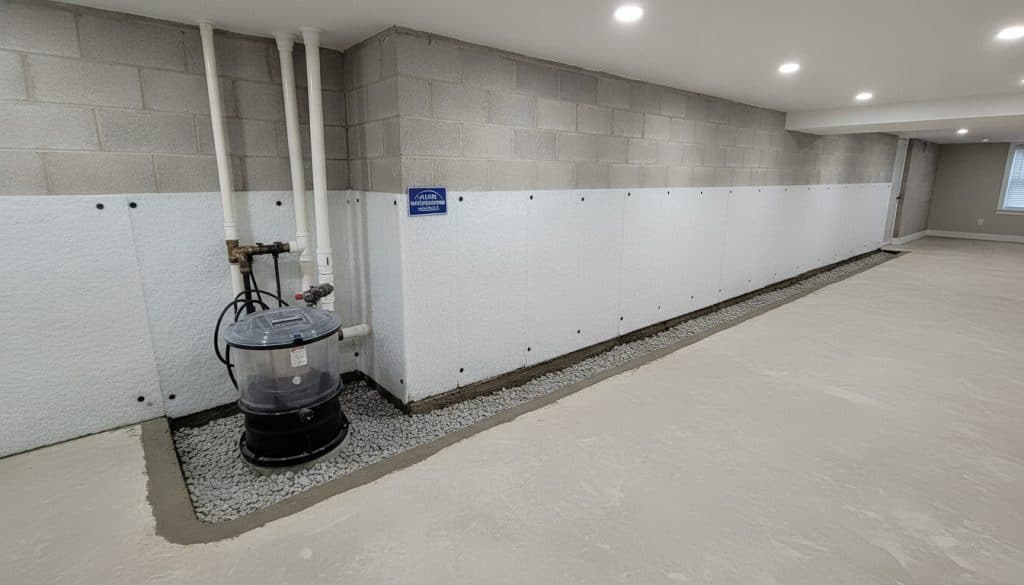
Interior systems usually average about $3,000, with typical cost between $2,000 and $6,000. A drainage system collects water below the floor and sends it to a sump pump. Moisture barriers can also protect finished surfaces.
This option suits homes with limited yard access or a smaller budget. Installation often takes three to five days. It manages water after entry, giving homeowners quick, practical relief.
Exterior Excavation and Foundation Protection
Exterior waterproofing averages about $7,000 and often ranges from $7,000 to $15,000. Crews expose the foundation, apply membranes, improve drainage, and regrade soil. Excavation adds $50 to $200 per cubic yard, while labor and materials affect the final project cost.
Work may take one to two weeks. Combined systems range from $8,000 to $18,000 and pair exterior prevention with interior backup. This comprehensive solution can protect concrete walls for decades when installed correctly.
Basement Waterproofing Methods and Their Costs
Several methods can protect a home, but each fits a different moisture pattern. We match durable materials, safe installation, and proven solutions to the foundation and site conditions.
Waterproof Membranes and Coatings
Waterproof paint runs $1–$8 per square foot and may last five to 10 years. A vapor barrier costs $1,500–$3,000 and offers broader moisture control. Outside foundation walls, liquid membranes average $4.50 per square foot. Sheet membranes average about $5 and create a durable seal against soil pressure.
French Drains and Exterior Drainage Systems
French drains guide water away from basement walls. More involved exterior drainage may range from $100–$300 per linear foot. Weeping tile systems average $60–$120 per foot. A sump pump adds $1,200–$2,500, while backup power helps during storm outages.
Foundation Crack Sealing and Repair
Stable cracks may suit professional epoxy injection at $800–$1,500 per crack. Moving cracks need further evaluation. DIY sealers may last one season or less, so skilled repair helps limit damage and protect concrete walls.
Additional Costs to Include in Your Budget
A complete protection plan includes more than sealing walls. It may also require structural repairs, permits, and site restoration. Planning for these items helps prevent financial surprises during the project.
Foundation Repairs and Structural Work
Excavation can reveal settlement, cracks, or weakened footings. These issues should receive attention before exterior waterproofing begins. Foundation repairs may range from $2,000 to $8,500. Serious movement may require underpinning, which can exceed $25,000. Permits may add $75 to $500.
Window wells often range from $2,000 to $5,000. Egress windows may cost $2,500 to $5,000 per unit. These improvements can support safer rooms and better drainage.
Landscaping Restoration and Water Damage Cleanup
Exterior work may disturb soil, walkways, patios, irrigation lines, and plants. Include funds for grading and landscape restoration. Cleanup from water damage may add $1,360 to $6,290. Junk removal can run $130 to $370 when damaged belongings must go.
Mold remediation may cost $500 to $3,500. We review these related needs and explain practical solutions, whether the work involves an interior system or broader home repairs.
Signs Your Metro Atlanta Basement Needs Waterproofing
Small clues often reveal a growing moisture problem before serious repairs begin. A quick inspection can help protect your home, improve safety, and support healthier indoor air.
- White powder: Efflorescence leaves a chalky deposit on floors or basement walls. It forms when water moves through concrete and evaporates.
- Rain-related pooling: Standing water after rainfall needs prompt attention. We review grading, drains, and foundation conditions to find the source.
- Hidden dampness: Musty odors, stains, peeling finishes, and dark marks may point to trapped moisture, even when the space looks dry.
- Rust and outdoor buildup: Check pipes, drains, metal hardware, and areas where water collects near the home. Corrosion may signal repeated exposure.
Early action may limit broader water damage and protect finished areas. It can also reduce the risk of mold remediation, which may range from $500 to $3,500. If you notice cracks, odors, or stains, our team can assess the walls and recommend a clear, lasting waterproofing plan.
How Climate and Soil Affect Waterproofing in Metro Atlanta
Metro Atlanta weather can shift from dry heat to intense storms. These changes place added strain on foundations across Dacula, Lawrenceville, and nearby communities.
Heavy Rain, Clay Soil, and Foundation Moisture
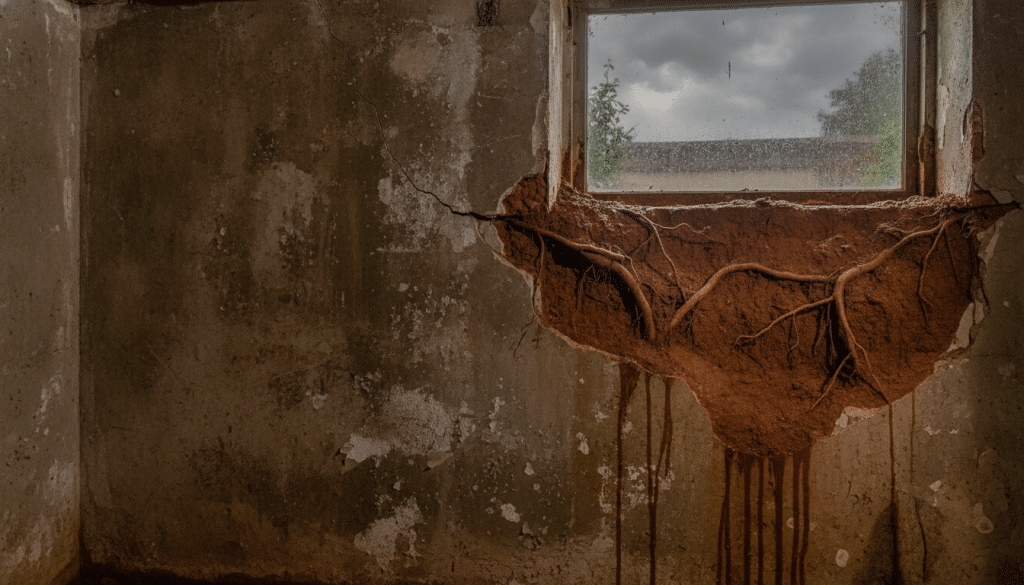
Heavy rain can saturate local soil and raise hydrostatic pressure against below-grade foundation walls. Dense clay holds water near the structure, while rocky soil may require special equipment during excavation. Both conditions can increase labor and project complexity.
Poor grading may send runoff toward the home instead of away from it. Gutters, downspouts, regrading, and exterior drainage work together as complementary defenses. This combination helps reduce recurring leaks and protects basement walls from continued exposure.
- Clay soil: Difficult digging can slow foundation work.
- Rocky ground: Specialized tools may support safer excavation.
- Sloped yards: Correct grading directs water away from walls.
- Fast drying: Mold may grow within 24 to 48 hours after a leak.
Our Empire Waterproofing team reviews soil, drainage, and foundations before recommending a plan. Prompt action helps limit moisture and keeps the basement healthier for your family.
DIY Basement Waterproofing vs. Hiring a Professional
Smart maintenance can reduce moisture, but advanced repairs demand trained judgment. We encourage homeowners to handle simple tasks while leaving critical systems to qualified professionals.
Projects Homeowners Can Safely Handle
Several low-risk methods support a drier home. Clean gutters, extend downspouts, run a dehumidifier, and apply waterproof paint to sound interior surfaces. An accessible vapor barrier may also help control humidity. These steps can limit mold and protect finishes.
- Inspect gutters and direct runoff away from the foundation.
- Use a dehumidifier and monitor indoor humidity.
- Apply paint only to clean, dry concrete.
- Seal minor, stable cracks with realistic expectations.
Tasks Best Left to Trained Specialists
Electrical connections, excavation, concrete cutting, and structural repairs create serious safety risks. DIY crack sealers may last one season or less. A professional sump pump installation typically costs $1,200 to $2,500 and includes pit preparation, drainage planning, and safe wiring.
Interior drainage may take three to five days and involve jackhammering, dust control, and concrete removal. Handle safe preparation, then trust complex systems to our team. This balanced choice protects your property and supports lasting solutions.
How to Compare Basement Waterproofing Contractors
Choosing the right contractor protects your home and your budget. Start by gathering at least three written quotes. Each proposal should show the price for materials, labor, excavation, drainage, repairs, restoration, permits, and warranty coverage.
Questions to Ask About Materials, Labor, and Warranties
Ask whether the contractor is licensed and insured. This matters during excavation, electrical work, or structural repairs. Durable materials and clear warranty terms can offer stronger long-term value than the lowest price.
- Does the quote explain labor costs near the $200-per-hour benchmark?
- Are excavation charges, often $50–$200 per cubic yard, listed clearly?
- Does exterior waterproofing include its $3–$10 per square foot range?
- Are permits, often $75–$500, included or billed separately?
Why an On-Site Inspection Matters
A phone estimate cannot reveal foundation size, soil conditions, access limits, or damaged concrete walls. During an inspection, we match practical methods to the property and explain each part of the project. Clear details create confident decisions.
Ways to Control Basement Waterproofing Costs
Smart planning can lower project costs without sacrificing lasting protection. Our team helps homeowners focus on durable solutions rather than quick fixes that may fail after the next storm.
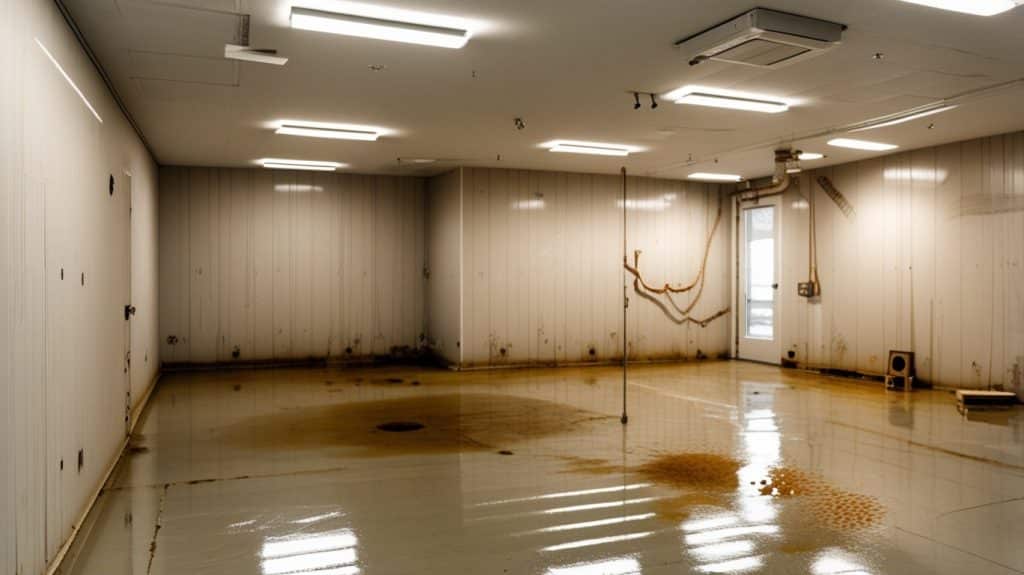
Start by collecting at least three written quotes. Compare the proposed methods, materials, labor, drainage design, and warranty value. A low price may exclude essential work, while a detailed plan can prevent repeat repairs.
- Clean gutters and downspouts regularly. New gutter installation often ranges from $650 to $1,750.
- Consider yard grading, which may cost $500 to $3,000, to direct runoff away from the home.
- Protect the waterproof basement before adding drywall, flooring, or other finishes.
- Use interior paint only for minor dampness. At $1 to $8 per square foot, it may need renewal every five to 10 years and cannot stop pressurized water.
Early action also protects usable space. Addressing leaks before mold develops may help avoid remediation costs of $500 to $3,500. We recommend value-focused waterproofing that reduces damage, supports indoor comfort, and delivers dependable results.
Protecting Homes Across Metro Atlanta with Empire Waterproofing
Local experience makes every protection plan stronger. Empire Waterproofing serves families across Metro Atlanta with clear advice, careful planning, and dependable results. Our customer-first mission focuses on protecting each home as if it were our own.
Family-Owned Expertise in Dacula, Georgia
Known as “The Emperor’s of Waterproofing,” we are a family-owned, locally operated company based in Dacula. Founded in 2016, our team brings more than 30 years of combined experience in basement waterproofing, foundation repair, crawlspace care, and drainage work.
We serve Metro Atlanta and nearby communities within about 100 miles of Dacula. Our team evaluates foundations, walls, soil, access, and the size of each project before recommending a practical solution. We also provide exterior waterproofing when site conditions call for prevention beyond interior repairs.
- Honest recommendations without pressure
- Quality workmanship from trained professionals
- Durable solutions for a waterproof basement
- Respectful service for every home and family
Request an Estimate from Empire Waterproofing
Our estimate explains the likely cost, labor, system design, and project time. To discuss your home, call (770) 406-6447 or email af.empire11@gmail.com. We are ready to help protect your property with confidence.
Conclusion
Protecting your home starts with a clear plan, not a guess. For a 1,000-square-foot space, the average basement waterproofing cost is $13,640. Soil, access, foundation condition, water severity, and the chosen system shape each estimate.
Interior drainage may bring faster relief, while an exterior system helps stop moisture before it reaches foundation walls. Review at least three detailed quotes. Confirm materials, labor, permits, warranties, licensing, insurance, and restoration duties before work begins.
Early action can limit mold, structural damage, and ruined finishes. Some repairs may exceed $25,000. Our team provides honest recommendations and quality workmanship for every basement project.
Empire Waterproofing serves Metro Atlanta from Dacula, Georgia. With more than 30 years of combined experience, we focus on safety, lasting protection, and customer satisfaction. Call (770) 406-6447 for a clear estimate and confident next step.