Could a tiny crack become a major threat to your home? Many homeowners wait, hoping hairline cracks will disappear. Yet moisture, soil movement, and drainage issues can worsen damage over time.
In this guide, we explain what affects foundation repair cost. Typical projects range from $2,224 to $8,134, with an average cost of $5,179. A timely inspection may keep a small repair manageable. Without action, full replacement can reach $20,000 to $100,000.
Empire Waterproofing is a family-owned, locally operated company founded in 2016 in Dacula, Georgia. With more than 30 years of combined experience, we serve Metro Atlanta and nearby communities. Our team provides waterproofing, crawlspace, drainage, and foundation repairs.
We are “The Emperor’s of Waterproofing.” Our approach centers on honest recommendations, quality workmanship, and lasting protection. Whether you need epoxy for cracks, help with sticking doors, or broader structural repairs, we work to protect your home and earn your trust.
Key Takeaways
- Typical projects range from $2,224 to $8,134.
- The average homeowner pays about $5,179.
- Delayed damage may require full replacement.
- Empire Waterproofing serves Metro Atlanta and nearby areas.
- Our team focuses on honest guidance and long-term protection.
What Is the Foundation Repair Cost in Metro Atlanta?
Metro Atlanta pricing varies with the problem, access, and work required. From our Dacula location, Empire Waterproofing serves homeowners across nearby Georgia communities. The figures below offer useful starting points, not guaranteed quotes.
Typical Pricing in Metro Atlanta
The average project runs about $5,179, while many jobs fall between $2,224 and $8,134. Small cracks or early surface issues may range from $250 to $800. Basement work commonly falls near $2,300 to $7,600.
Minor, Moderate, and Major Damage
Moderate problems often require $1,000 to $12,000. Major shifting may reach $15,000 to $100,000 or more. Sealing concrete differs greatly from adding piers, stabilizing movement, or lifting a house.
When Replacement May Be Necessary
Full replacement may become the safest option when structural damage affects large areas. These projects can range from $20,000 to $100,000. Soil conditions, the home’s type, crawl space access, and affected areas all influence the final estimate. A professional evaluation helps you choose a practical path before problems spread.
Warning Signs That Your Home Needs Foundation Repair
Small changes around your home can reveal foundation problems early. Watch for new cracks, diagonal openings near doors or windows, and grout or tile damage that keeps returning. A hairline crack may need only a $200–$800 repair when found early. However, most issues become harder to manage with time.
Interior Cracks, Uneven Floors, and Sticking Doors
Cracks wider than 1/4 inch deserve prompt attention. Horizontal or stair-step cracks may signal structural strain. Sloping floors, widening gaps, cabinets pulling from walls, or sticking doors can also indicate movement. These signs often appear before serious damage affects the home.
Basement Leaks, Bowing Walls, and Exterior Gaps
Basement leaks, musty odors, pooling water, and bowing walls point to moisture or pressure issues. Exterior gaps near windows, siding, or steps may worsen as soil shifts. In a crawl space, maintain at least 18 inches between dirt and floor joists for safe access.
- Schedule an inspection when cracks grow or return.
- Consider basement waterproofing when leaks persist.
- Our family-focused team recommends practical repairs that protect your home.
Early maintenance can help prevent a $10,000–$15,000 structural project.
Factors That Influence Foundation Repair Costs
Several site conditions shape your foundation repair cost. The affected area, foundation depth, damage severity, house size, and required materials all matter. A small crack needs less work than deep movement across a large section.
Labor may run near $200 per hour. Permits can add about $75–$150 when local rules require them. Tight access, finished basements, mature landscaping, and limited equipment space may raise labor costs by 20%–40%. Crawl space entry can also slow the project.
Changing or expansive soil may require a soil report priced from $500 to $3,000. Drainage issues can also call for waterproofing before structural work begins. We recommend setting aside $1,000–$2,500 for tree roots, old repairs, excavation obstacles, or damaged drainage parts.
Our team explains each factor clearly and recommends dependable solutions built to last. A detailed evaluation helps protect your home from avoidable problems and supports a practical, honest plan.
Foundation Repair Costs by Method
The right method depends on the location, severity, and cause of the issue. Our team matches each solution to the home, soil conditions, and long-term protection goals.
Crack Sealing, Epoxy, and Waterproofing
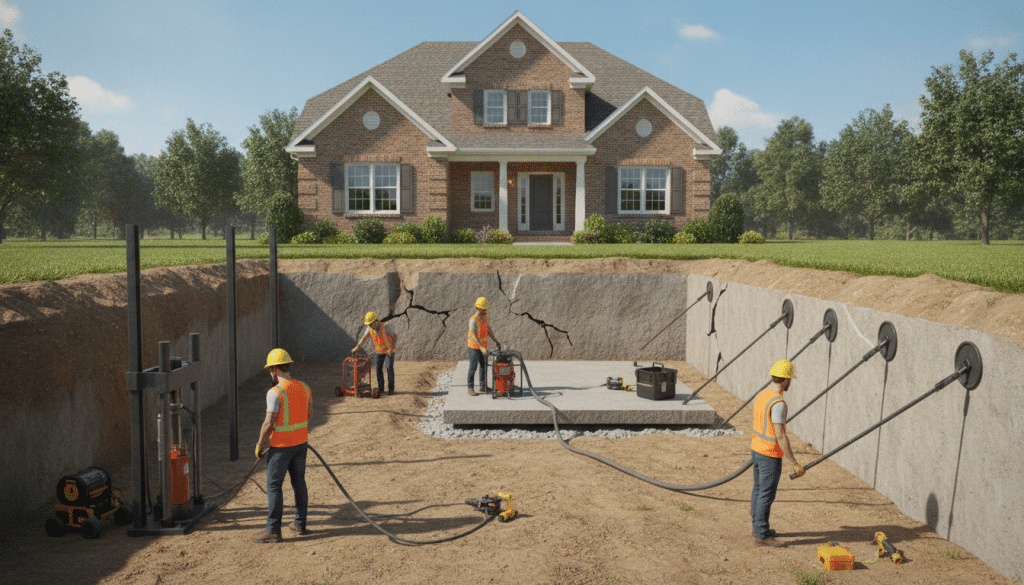
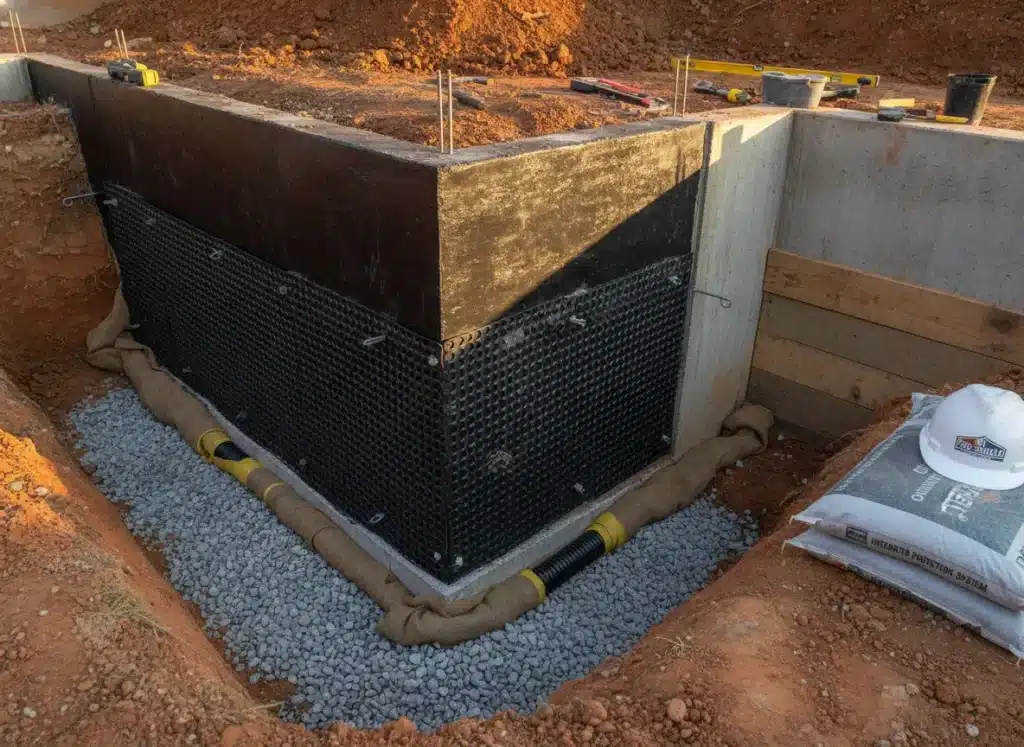
Minor cracks may need sealing or epoxy injection. Small kits typically run $100–$400. For active leaks, sealing and basement waterproofing often range from $2,300–$7,300. Polyurethane-treated concrete may be ready for use about 15 minutes after installation.
Wall Reinforcement, Anchors, and Steel Supports
Carbon fiber strips, wall anchors, and steel supports help stabilize bowing walls. Reinforcement for 12 strips commonly runs $4,000–$12,000. The final price reflects access, labor, materials, and the wall’s condition.
Slabjacking, Piering, and Leveling
Slabjacking or mudjacking usually costs $550–$1,300. Piering or underpinning runs about $1,000–$3,000 per pier, and several piers may be needed. Extensive lifting and leveling can reach $20,000–$23,000.
Professional diagnosis helps prevent the wrong method and supports lasting protection. Empire Waterproofing provides careful evaluations and quality workmanship for dependable repairs.
How Foundation Type Affects Repair Pricing
Your home’s structural design changes access, moisture exposure, and project complexity. That is why the cost of foundation work can vary widely across Metro Atlanta and nearby Georgia communities.
Slab and Basement Designs
Concrete slab and stem-wall repairs may range from several hundred dollars to about $20,000. Cracks may need sealing or slabjacking. Basement work often costs $2,300–$7,600 because crews may address walls, drainage, excavation, and waterproofing. These added steps can increase the final cost.
Crawl Space Access
A crawl space provides at least 18 inches between soil and floor joists. Crews can often reach both sides of the structure, plumbing, and drainage lines. Tight or blocked areas may require more labor. Moisture issues can also affect floors, wood framing, and indoor air quality.
Pier-and-Beam Support
Pier-and-beam homes sit several feet above ground. This layout gives our team access to piers, beams, steel supports, electrical systems, and plumbing. We inspect each type carefully before recommending repairs.
- Slabs often need concrete work.
- Basements may require waterproofing.
- Crawl spaces need moisture control.
- Pier systems allow detailed access.
Why Soil, Drainage, and Access Matter in Metro Atlanta
Metro Atlanta’s red clay soil can shift as moisture levels change. Expansive clay swells after heavy rain, then contracts during dry periods. This movement can stress the foundation, press against walls, and create cracks that need attention.
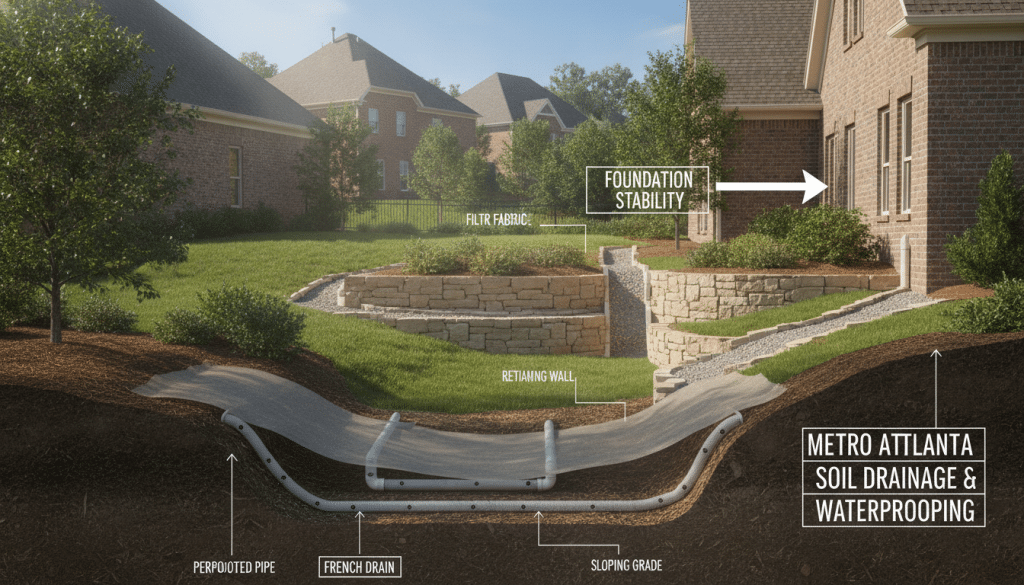
A soil report may cost $500–$3,000 when changing conditions require closer study. Deeper piers, drainage upgrades, or stabilization may follow. Proper grading, working gutters, and extended downspouts send water away from the home. Basement waterproofing can also help stop moisture from returning.
Access affects labor and scheduling. Tight side yards, mature landscaping, porches, decks, and finished basements may slow the work. Limited equipment space can raise labor costs by 20%–40%. A narrow crawl space may require extra planning, protection, and cleanup.
- We identify soil movement and drainage issues.
- We plan practical repair solutions for each property.
- We serve Dacula, Metro Atlanta, and nearby Georgia communities.
Addressing water sources before structural repairs helps prevent recurring problems. Empire Waterproofing combines careful planning with dependable workmanship to protect your home for the long term.
Foundation Inspection and Professional Repair Recommendations
A clear diagnosis turns uncertainty into a practical plan. Empire Waterproofing offers approachable guidance, careful inspections, and honest recommendations for homeowners in Dacula and nearby communities.
When to Hire a Contractor or Engineer
Request a specialized contractor inspection when cracks grow, doors stick, floors slope, or leaks return. Contractor inspections are often free. An independent structural engineer can provide written guidance when movement seems serious, walls bow, or piers and steel supports may be needed.
Engineer reports commonly range from $500 to $1,000. In complex cases, a 2026 inspection may reach $1,500 or more. Check credentials through NCEES and your state licensing board before hiring.
What Happens During the Visit
We document cracks, check floors and doors, assess water entry, review drainage, and look for movement patterns. We also examine concrete, basement areas, and the crawl space. Then we explain the best method, expected work, and repair costs in clear language.
- Most repairs take one to five days.
- Medium projects may need three to five days.
- Major repairs can take five to seven days or longer.
- Written recommendations support confident decisions.
Our goal is reliable protection, quality workmanship, and customer satisfaction without pressure.
How to Manage Foundation Repair Costs
Smart planning helps homeowners avoid surprises and protect their home. Compare at least two written estimates before approving work. Each proposal should list affected areas, materials, labor, permits, timing, and cleanup duties. This detail makes each foundation repair cost easier to review.
Compare Value, Coverage, and Long-Term Protection
The lowest bid may not provide the best value. Poor drainage, weak materials, or incomplete waterproofing can leave the original issues unresolved. Ask whether the warranty transfers to a future owner. Also review exclusions, maintenance needs, and the process for handling future problems.
- Reserve $1,000–$2,500 for roots, tight access, old work, or added drainage needs.
- Confirm whether permits, often $75–$150, appear in the estimate.
- Correct gutters, downspouts, grading, and soil-related causes.
- Ask how crews will protect landscaping and the crawl space.
Our customer-first team explains every factor before work begins. Empire Waterproofing focuses on dependable solutions, clear communication, and lasting protection for your house.
Conclusion
Protecting your home starts with timely action and clear guidance. Most foundation repair cost falls near $5,179, with common projects ranging from $2,224 to $8,134. Full replacement may reach $100,000.
Cracks, uneven floors, sticking doors, leaks, and bowing walls need professional attention before damage grows. Soil, drainage, access, foundation type, method, labor, and affected areas all shape the final cost.
Metro Atlanta homeowners should compare written scopes, confirm warranties, and choose quality workmanship over the lowest bid. Empire Waterproofing is a family-owned Dacula company founded in 2016, backed by more than 30 years of combined experience. We protect homes with honest recommendations and dependable work.
Call us at (770) 406-6447 or email af.empire11@gmail.com. We proudly serve Dacula, Metro Atlanta, Georgia, and nearby communities with reliable repairs, lasting water protection, and customer-focused service.