Could a hidden moisture problem be affecting your home more than you realize? Damp conditions, mold, odors, and water damage can weaken materials and reduce indoor air quality. Many Metro Atlanta homeowners consider a sealed vapor barrier to protect their property.
In 2026, crawl space encapsulation projects commonly range from $1,500 to $15,000, with an average near $5,500. Standard pricing often falls between $3 and $7 per square foot. Damaged areas may reach about $10 per square foot.
Every property is different. The final price depends on size, drainage, repairs, insulation, and the condition of the existing barrier. A careful inspection helps reveal the right solution instead of unnecessary work.
We are Empire Waterproofing, a family-owned and locally operated company founded in 2016. Based in Dacula, Georgia, we serve Metro Atlanta and nearby communities. With more than 30 years of combined experience, we focus on honest guidance, quality workmanship, and lasting protection for homes.
Our goal is simple: improve safety, air quality, and long-term property value.
Key Takeaways
- Projects often range from $1,500 to $15,000.
- The reported 2026 average is about $5,500.
- Standard work usually runs $3 to $7 per square foot.
- Damaged areas may approach $10 per square foot.
- Empire Waterproofing serves Dacula and Metro Atlanta.
Crawl Space Encapsulation Cost at a Glance
Pricing varies by the home’s size, condition, and moisture history. Still, national figures offer a useful starting point. Crawl space encapsulation averages about $5,500, while most homeowners pay between $1,500 and $15,000.
An inspection usually costs $100 to $250. We recommend this step before work begins. It can reveal hidden mold, pests, standing water, wood damage, and drainage concerns that affect the final estimate.
Typical Price Range and Average Project Cost
Labor often makes up 50% to 70% of the project. The remaining amount covers materials, a vapor barrier, insulation, and humidity equipment. A basic barrier may limit ground moisture, but complete crawl space encapsulation also seals vents and manages indoor humidity.
Per-Square-Foot Pricing for Standard and Damaged Areas
Standard work commonly runs $3 to $7 per square foot. Severe moisture, mold, or structural damage may raise pricing to about $10 per square foot. A detailed inspection helps us match the solution to the property instead of recommending unnecessary work.
What Crawl Space Encapsulation Includes
A complete system does more than cover the ground. It creates a controlled area that limits humid air, condensation, and other common home issues. At Empire Waterproofing, we review the materials and installation process before work begins.
Vapor Barrier and Foundation Wall Sealing
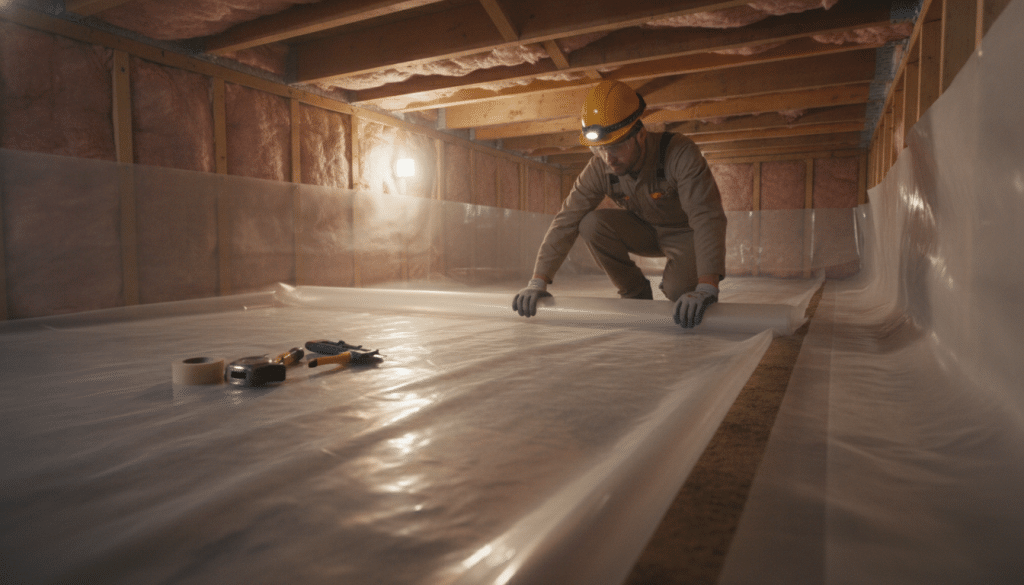
The foundation floor receives a 12- to 20-mil polyethylene vapor barrier. It extends up the foundation walls and seals at seams, pipes, vents, and other openings. This layer blocks ground moisture and helps protect against mold, pests, and wood damage.
Insulation, Vent Sealing, and Dehumidification
For better energy efficiency, we may add rigid foam board or spray foam insulation to the walls. Rigid foam board or custom covers also close exterior vents, reducing unwanted air movement.
A commercial dehumidifier typically removes 70 to 90 pints of water each day. We set the equipment to keep relative humidity below 55%. With proper crawl space encapsulation, your home can gain steadier temperatures, cleaner air, and lasting protection.
- Durable vapor barrier coverage
- Sealed vents and foundation openings
- Humidity control for improved indoor air quality
Crawl Space Encapsulation Cost by Size
Project totals often rise with the footprint of the area being treated. For crawl space encapsulation, square footage affects the vapor barrier, insulation, labor, and dehumidifier needs. Yet size alone does not set the final cost.
| Area | Typical Range | Average |
|---|---|---|
| 1,000 sq. ft. | $3,000–$10,000 | $5,000 |
| 1,500 sq. ft. | $4,500–$15,000 | $7,500 |
| 2,000 sq. ft. | $6,000–$20,000 | $10,000 |
| 2,500 sq. ft. | $7,500–$25,000 | $12,500 |
| 3,000 sq. ft. | $9,000–$30,000 | $15,000 |
A 1,000-square-foot crawl space may average $5,000, while a 3,000-square-foot project may reach $15,000. These figures help homeowners plan, but actual costs can differ.
Low clearance, tight layouts, difficult access, or moisture damage can increase labor and preparation needs. Two similarly sized spaces may receive different estimates. We inspect each home carefully so our recommendation fits its condition and protects your investment.
Breaking Down the Cost of Encapsulation
Several line items shape the final estimate, so we explain each one before work begins. A detailed review helps homeowners choose protection that fits their property and budget.
Inspection, Preparation, and Labor
An inspection usually runs $100–$250. Preparation may include debris removal, old insulation removal, cleaning, sealing, and minor repairs. Labor often represents 50%–70% of the total because technicians work in tight areas and manage complex moisture concerns.
Materials and Moisture Control Equipment
Installed vapor barrier pricing commonly falls between $1,200 and $4,000. Wall insulation may add $500–$3,700, while vent sealing often ranges from $150 to $450. A dehumidifier typically adds $1,000–$3,500 and supports better energy efficiency.
Drainage Systems and Sump Pump Installation
Water entering the crawl space requires separate drainage work. Options may include perimeter drains, a sump basin, discharge lines, and pump installation. Mold remediation can add $10–$30 per square foot. Foundation repairs may range from $2,000–$7,000 before encapsulation begins.
Our team presents clear costs, quality materials, and practical repair options.
Factors That Affect Crawl Space Encapsulation Pricing in Metro Atlanta
Two homes with the same square footage can receive very different estimates. Our team reviews access, layout, clearance, moisture levels, and existing damage before setting a price. This approach gives homeowners a clearer picture of the work ahead.
Areas under 18 inches high often require extra labor. Small entry openings, ductwork, plumbing, and tight corners also slow material handling. We protect the home while working around these obstacles.
Material quality matters, too. A durable 20-mil barrier resists punctures better than a six-mil product. Permit fees may add $100 to $250, while local code rules can affect vent sealing, drainage, and the required 3- to 4-inch termite inspection gap.
- Property size and layout
- Moisture and water entry
- Clearance and access limits
- Drainage, permits, and code needs
At Empire Waterproofing, we serve Dacula, Atlanta, and nearby Georgia communities. An in-person inspection provides a more reliable estimate than square-foot pricing alone. It also helps us identify mold, structural issues, and energy concerns early. Our goal is dependable protection for Metro Atlanta homes.
Repairs to Complete Before Encapsulation
Before we install a vapor barrier, we first address conditions that could undermine its protection. Removing active threats helps keep the finished system safe, durable, and effective.
Standing Water, Mold, and Wood Damage
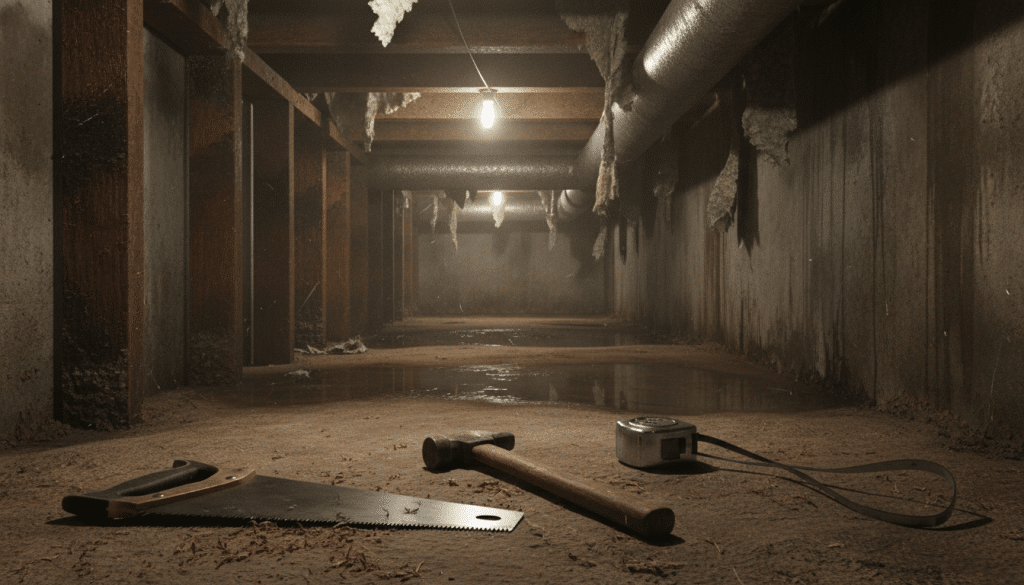
Standing water must leave the crawl space before installation. Sealing wet materials can trap odors, worsen mold, and hide structural damage. Mold may appear within 24 to 48 hours of ongoing dampness. Remediation may range from $10 to $30 per square foot.
We also check joists, beams, subflooring, and insulation. Wood readings above 19% suggest active water intrusion. Those materials need evaluation and repair before space encapsulation begins.
Foundation, Plumbing, and Drainage Issues
Cracks, settlement, or wall seepage can require foundation repairs ranging from $2,000 to $7,000. Plumbing leaks, failed drains, and poor grading must also be corrected. Otherwise, new moisture can return and create further issues.
- Remove standing water and wet debris.
- Correct leaks and drainage failures.
- Treat mold and replace damaged materials.
Our team reviews each home’s condition before crawl space encapsulation. Completing these repairs supports lasting protection and helps homeowners avoid surprise costs.
The Crawl Space Encapsulation Process and Timeline
The process starts with a careful inspection. We use a visual review, moisture meters, and thermal cameras to find water entry, mold, damaged framing, and hidden problem areas.
Next, our crew prepares the area. This may include removing debris and old insulation, cleaning standing water, treating mold, repairing plumbing, and correcting drainage. These steps help ensure the materials perform as intended.
After preparation, we install a durable 12- to 20-mil vapor barrier across the floor. Seams overlap by 6 to 12 inches, and we seal pipe and wire openings. The barrier stops 3 to 4 inches below the sill plate to preserve the termite inspection gap.
We close foundation vents, insulate the walls, and control outside air through careful sealing. A standard 1,500-square-foot project usually takes five to seven days of active work.
At completion, we check humidity below 55% and wood moisture below 19%. We then provide a documented walkthrough so you understand the finished system and its care needs.
- Detailed inspection and preparation
- Professional vapor barrier installation
- Final readings and homeowner walkthrough
Benefits of Encapsulation for Atlanta-Area Homes
A healthier first floor often begins with better control below it. Crawl space encapsulation helps create a drier, cleaner setting beneath your home and supports lasting protection for Atlanta-area properties.
Moisture Control, Mold Prevention, and Better Air Quality
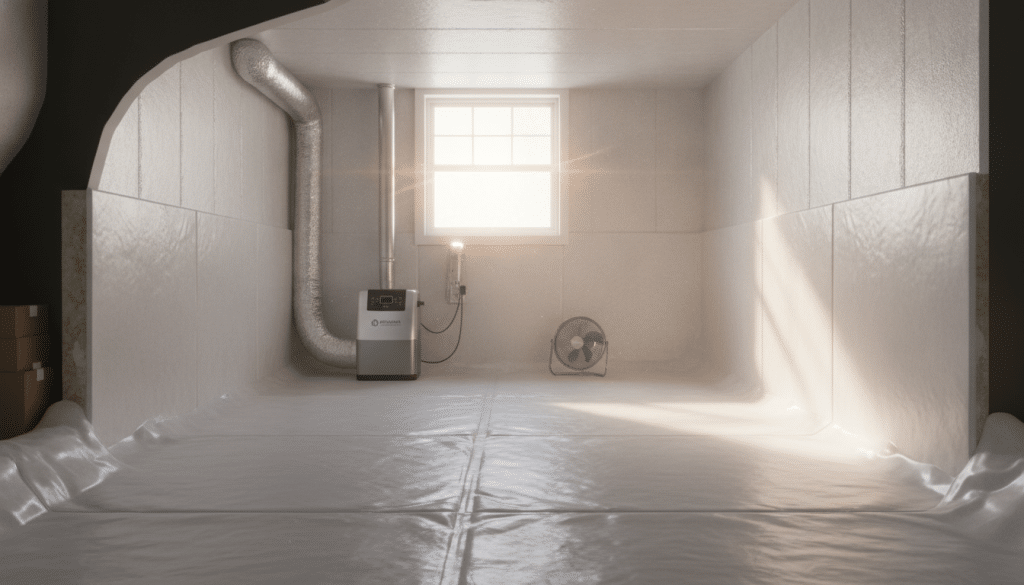
A sealed vapor barrier and dehumidifier help keep humidity below 55%. This reduces condensation, mold risk, odors, and wood rot. Up to 50% of first-floor air may come from the crawl space, so cleaner conditions below can support better indoor air quality above.
Energy Efficiency, Pest Protection, and Structural Preservation
Improved insulation and humidity control may lower heating and cooling use by approximately 15%. A dry area also discourages termites, rodents, and other pests. Sealing protects joists, subflooring, foundation walls, and insulation from long-term water damage.
- More stable comfort throughout the home
- Reduced risk of mold and structural repairs
- Better energy efficiency and air quality
- Added protection for Atlanta homes
Although the initial cost varies, many homeowners may recover the investment within five to ten years through energy savings, avoided repairs, and stronger property protection. Our team completes this work with durable materials and careful attention to detail.
Is Crawl Space Encapsulation Worth the Cost?
The right question is not only what the project costs today. It is how well the work protects your home over time. Professional projects often range from $3,500 to $15,000, including labor and quality materials.
Sealing a damp crawl space may reduce heating and cooling bills by about 15%. The savings depend on utility use, insulation, and the home’s condition. Many owners may reach a return on investment within five to ten years.
This upgrade offers the most value when moisture, mold, damaged insulation, pests, or poor air quality already affect the property. Mold can develop within 24 to 48 hours of sustained dampness. Early action may prevent larger repairs and protect indoor air quality.
Results depend on several factors, including drainage, installation quality, and ongoing humidity control. We recommend caution when flooding, active leaks, or poor grading remain unresolved. A sealed system cannot correct those problems by itself.
- Lower energy use and steadier comfort
- Fewer moisture-related repairs
- Better protection for structural materials
When the system matches the property’s needs, the benefits can outweigh the initial investment. Our team evaluates each home carefully and explains whether this solution fits your goals.
Choosing a Crawl Space Contractor in Metro Atlanta
The right contractor should offer clear answers before any work begins. Ask for a detailed inspection, a written estimate, and proof of licensing and insurance. The estimate should list preparation, repairs, materials, labor, drainage, permits, warranties, and final humidity readings.
Questions to Ask About Materials, Warranties, and Workmanship
Ask whether the team uses a durable 12- to 20-mil vapor barrier, sealed seams, suitable wall insulation, and reliable dehumidification. Confirm the workmanship warranty, manufacturer coverage, references, and plans for equipment service. These details can prevent surprise costs and help protect against moisture, mold, pests, and poor air quality.
Why Homeowners Choose Empire Waterproofing
Empire Waterproofing is family-owned and locally operated in Dacula, Georgia. Founded in 2016, we bring more than 30 years of combined industry experience to Metro Atlanta and nearby homes. Our process centers on honest recommendations, quality materials, careful sealing, and lasting solutions.
Call (770) 406-6447 or email af.empire11@gmail.com for dependable guidance and quality work. We help homeowners understand each repair, compare options, and choose protection that suits their home’s condition.
Conclusion
A dry foundation begins with decisions that protect the whole house. Crawl space protection helps limit moisture, mold, and water damage. The typical space encapsulation cost ranges from $1,500 to $15,000, with final costs shaped by size, access, repairs, and equipment.
A complete system may include a vapor barrier, sealed vents, wall insulation, and a dehumidifier. These features support cleaner air, healthier air quality, and stronger energy efficiency. An inspection should come first when standing water, leaks, or damaged framing affect crawl spaces.
Is encapsulation worth it? It may reduce energy use by about 15% and repay its investment within five to 10 years. For many homes, encapsulation worth depends on moisture levels and repair needs.
Empire Waterproofing serves Metro Atlanta with honest recommendations and durable waterproofing solutions. Call (770) 406-6447 or email af.empire11@gmail.com to discuss your home. Our family-owned team brings more than 30 years of combined experience to every project.